Choosing the Right Roofing Contractor During New Construction: A Custom Home Builder’s Checklist
When you’re building a custom home, choosing the right roofing contractor is one of the most pivotal decisions you’ll make. At MD Custom Home Builders, we’ve learned firsthand that the roof isn’t just a finishing touch, it’s the protection for everything inside your home. Here is our checklist for selecting a roofing partner during new construction, with a few insights from our trusted roofing company, BB Roofing.
1. Bring the Roofing Contractor in Early
From design through framing, roofing impacts structural decisions, material choices, and even mechanical coordination. Involve your roofing contractor early before framing begins, so they can review roof slope, overhangs, gutters, penetrations, and potential flashing details. At BB Roofing, they emphasize a thorough initial consultation to gauge a home’s unique needs and preferences, then align material choices accordingly.
Early engagement helps ensure the roof system works in concert with the builder’s schedule and avoids surprises after the house is closed in. Bringing your roofing contractor in early keeps the process efficient, cohesive, and free from costly adjustments down the road.
2. Ensure Credentials, Experience & Warranty
Roofing for a new home is different from a simple replacement, it must integrate, perform, and last. Verify that your roofing contractor is licensed, insured, and certified by manufacturers, and always ask for references from new-construction projects, not just repair work. Check what their warranty covers—materials, workmanship, and specific terms to ensure you’re fully protected.
Finally, make sure your contract clearly defines the project scope, site protection, cleanup responsibilities, and staging plans. It should also outline how change orders will be managed if issues arise, such as deteriorated sheathing. Clarity upfront prevents misunderstandings later and ensures your roofing project runs smoothly from start to finish.
3. Roofing Materials & System Compatibility
Your roof is more than just shingles, it’s a system that includes decking, underlayment, ventilation, flashing, and drainage, all of which must align with the design, climate, and builder’s goals. Choose materials such as asphalt, metal, slate, or synthetic based on your design preferences, budget, performance expectations, and local climate conditions.
Confirm that the contractor has experience with your home’s specific roof shape whether it includes hips, valleys, dormers, or skylights and understands how these features affect installation, flashing, and long-term performance. The right combination of materials and expertise ensures that your roof functions as a cohesive, durable system built to stand up to the unique demands of Lowcountry living.
4. Coordination with Builder Team & Site Logistics
Roofing installation touches many other trades, framing, HVAC, insulation, siding, gutters, electrical, even landscaping and misalignment between these can lead to costly delays or rework. Ask your roofing contractor how they schedule their crews in relation to framing, insulation, and siding, and how they plan to coordinate access, staging, and protection for other ongoing work on site.
A truly collaborative roofing partner sees themselves as part of the overall build team, not just a vendor. When communication and coordination are prioritized, every phase of the project runs more smoothly, ensuring the roof installation supports, not hinders, the builder’s schedule and the home’s long-term quality.
5. Site Safety, Clean-Up & Protection of Other Work
New construction moves quickly, and your roofing contractor must keep safety, clean-up, and site protection as top priorities throughout the process. Confirm that they have clear fall-protection measures in place, along with proper scaffolding or ladder access plans. They should also take precautions to protect neighboring work such as siding, windows, and landscaping, and commit to daily clean-up of loose nails and debris.
A good installer leaves the site safe, organized, and ready for the next trade, helping reduce risk and prevent costly build disruptions. Attention to these details not only ensures a smoother construction timeline but also reflects the professionalism and care of the roofing team involved.
6. Performance Considerations: Ventilation, Underlayment & Longevity
Getting the roof installed is important but getting it installed right for long-term performance is what truly matters. Ventilation plays a major role in this, as proper attic airflow, ridge vents, and soffits directly impact the roof’s lifespan, energy efficiency, and ability to control condensation. Underlayment, flashing, and proper integration with roofing transitions such as chimneys, walls, and skylights are also critical yet often overlooked details that determine how well a roof will hold up over time.
At BB Roofing, they emphasize early inspections to identify potential issues and make informed material choices suited to the local climate and performance goals. As a builder, you need a roofing partner who understands the nuances of your project, someone who asks about your climate zone, roof orientation, and internal humidity loads to design a system that’s tailored to your home, not just a one-size-fits-all installation.
7. Transparent Estimate & Clear Schedule
Budget and timing are critical in any construction project, especially in custom builds where multiple trades overlap and even small delays can increase costs. Request a detailed proposal from your roofing contractor that includes a full materials list (shingles or panels, underlayment, flashing, fasteners), labor, staging, cleanup, warranty terms, and contingencies for damaged decking or unforeseen conditions. Understanding these details upfront helps avoid surprises later.
Ask how the contractor manages schedule delays caused by weather or material lead times, and how they plan to communicate updates throughout the project. At MD Custom Home Builders, we align the roofing schedule with key milestones like framing completion, insulation, and drywall installation. That’s why we value roofing partners who are transparent, reliable, and timely because clear communication and predictable scheduling keep the entire build on track.
8. Check References from New Construction Jobs
You’ll want solid proof that your roofing contractor has real experience with custom home builds, not just standard replacements. Ask for references from past projects where they installed roofing during the build phase, and take time to inspect those homes. Look closely at how well the flashing and valleys were finished, how clean the job site was kept, and whether the schedule stayed on track. These details reveal the contractor’s level of professionalism and consistency.
9. Handover & Long-Term Relationship
Once the roof is installed, the builder hands the home over to the owner but a good roofing partner’s job doesn’t end there. Your contractor should support that transition and stand behind their work well after completion. Ask whether they provide a post-installation walkthrough, supply documentation of the warranty and material specifications, and offer maintenance or inspection guidance to help the homeowner protect their investment.
A reputable contractor treats the roofing system as a long-term asset, not a one-time installation. By maintaining open communication and offering ongoing support, they help ensure the roof continues to perform as designed, protecting both the home and the builder’s reputation for quality craftsmanship.
The Right Roofing Partner Builds More Than a Roof—They Build Confidence
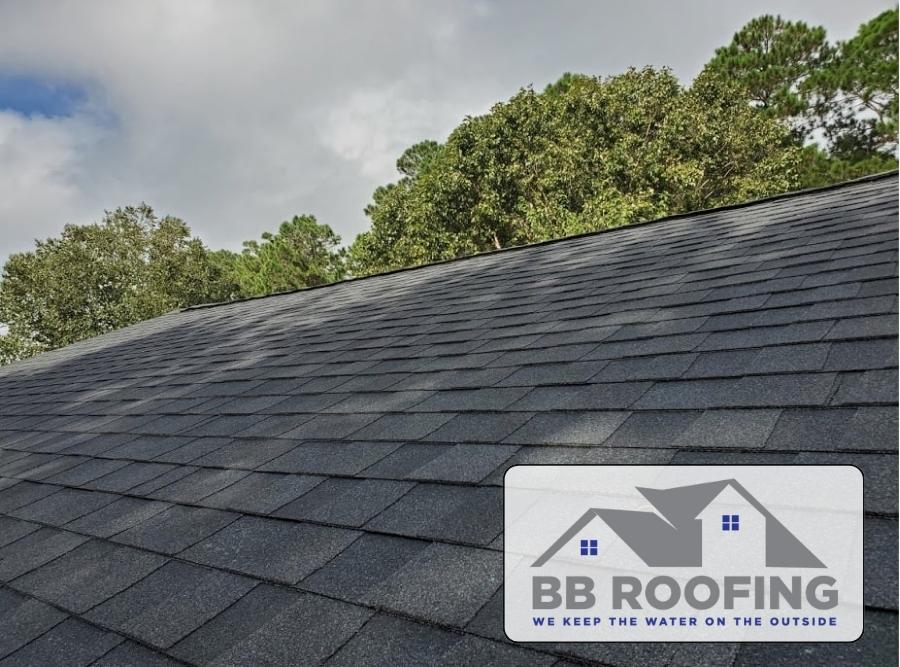
When you choose the right roofing contractor from the start, you protect your build timeline, your budget and most importantly, the lasting value and performance of your home. At MD Custom Home Builders, we’ve found that aligning with experienced, process-driven partners makes all the difference. Bringing in a roofing company that understands the whole home build-system, not just slapping on shingles, ensures that your roof will look great, perform for decades, and give your homeowner peace of mind.